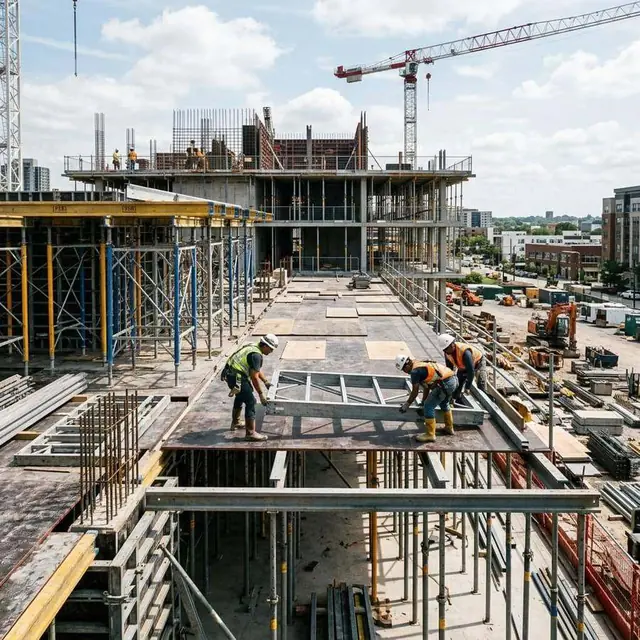
Centering and formwork are the unsung heroes of concrete construction. Without sturdy, high-quality centering materials, pouring concrete slabs, beams, and columns would be impossible. In modern civil engineering, centering refers to the temporary support structures constructed to hold fresh concrete in place until it gains sufficient strength to support itself.
Why Centering Matters
The quality of centering work directly affects the final shape, strength, and surface finish of every concrete element in a building. A slab poured over weak or uneven centering can develop cracks, sagging, or an uneven surface that becomes a permanent structural weakness. This is why experienced contractors treat centering as a critical engineering task, not a temporary inconvenience to be rushed through.
Types of Centering Materials We Use
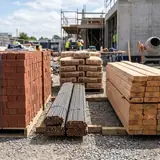
Steel centering sheets and pipes are the standard for most residential and commercial projects today, replacing the traditional bamboo and timber shuttering used decades ago. Steel sheets provide a smooth, consistent surface for concrete, which means less plastering work is needed afterward, and they can be reused across multiple pours without losing their structural reliability, unlike wood which warps and weakens with repeated use.
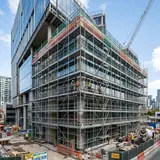
Using premium steel centering sheets and pipes ensures that slabs remain perfectly level and structural defects are avoided. At New Star Construction, we prioritize robust scaffolding and centering to guarantee the ultimate safety and precision of our structures. Our site engineers inspect every centering setup before concrete is poured, checking for proper alignment, adequate support spacing, and secure locking of all joints.
How Centering Affects Project Timelines
Choosing the right centering rental partner can significantly affect project timelines and safety. High-strength materials prevent sagging and accidental collapses, ensuring peace of mind for both workers and property owners alike. Poor-quality or improperly installed centering is one of the leading causes of on-site delays, because any structural doubt after a pour means demolishing and redoing work that could have been avoided with proper planning.
Safety Considerations on Site
Centering work happens at height and under load, which makes it one of the more safety-critical stages of any build. Our teams follow strict protocols for load calculations, support spacing, and inspection sign-offs before allowing any concrete pour to proceed. Workers are trained to recognise warning signs of centering failure, such as unusual sounds or visible deflection, and pours are halted immediately if anything looks irregular.
The Long-Term Impact on Your Home
Homeowners rarely see the centering work that goes into their house, since it's removed once the concrete cures. But the quality of that hidden work determines whether your slabs stay level for decades or start showing hairline cracks within a few years. This is one of the reasons New Star Construction insists on ISI-certified materials and experienced crews for every stage of centering and formwork, even on parts of the project that clients will never directly see or ask about.
If you're planning a residential or commercial project in Pondicherry and want to understand how proper centering and formwork protect your investment, our engineers are happy to walk you through our process during a free site visit.